List people content
Core Team
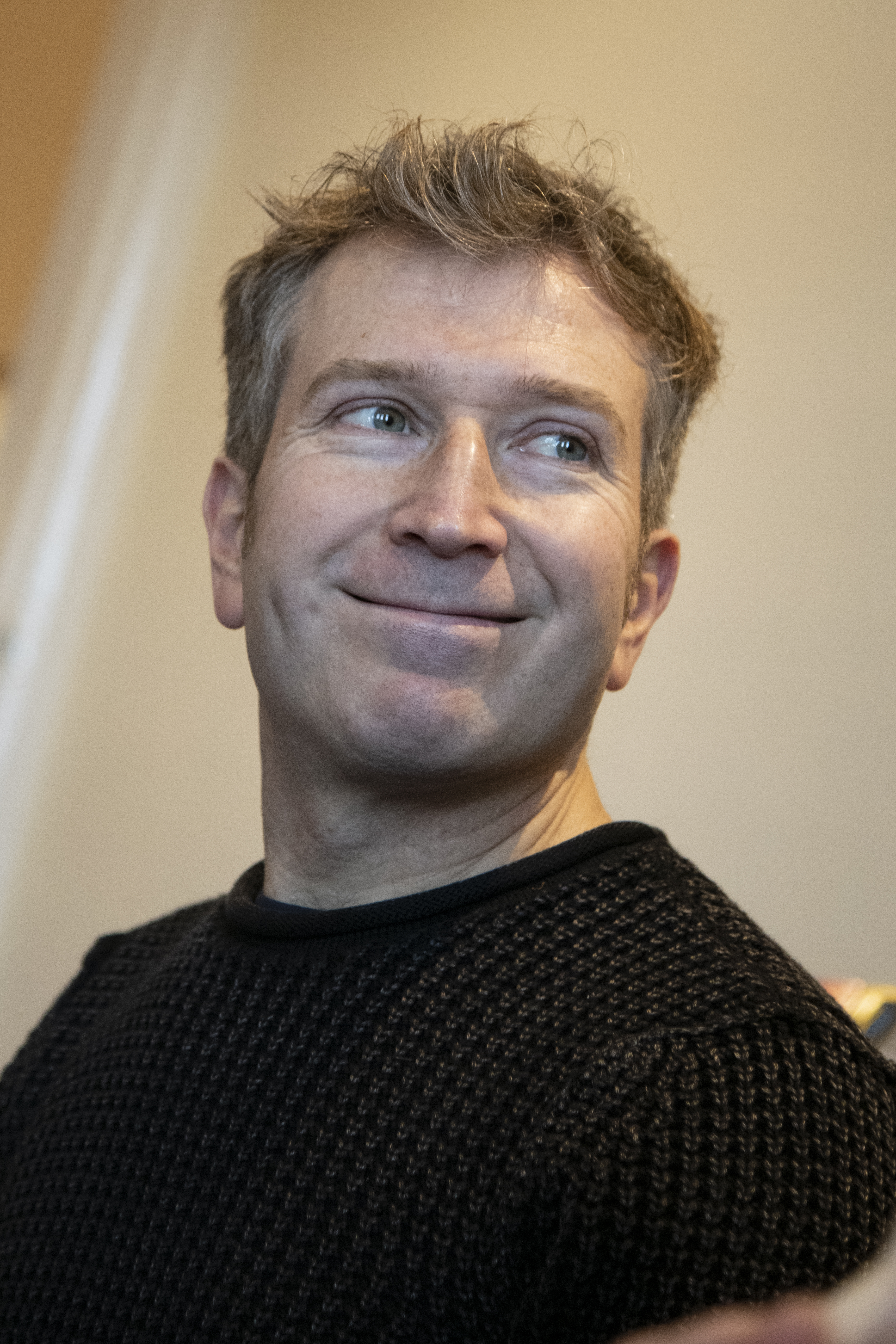
Professor Andrew Hoskins
Principal Investigator
Professor Andrew Hoskins holds a personal chair in AI, Memory & War, in the Department of Sociology at the University of Edinburgh, UK.
His research focuses on digital participation in war, and AI, war and memory.
He is the author/editor of 11 books, including: Radical War: Data, Attention & Control in the Twenty-First Century (Hurst/OUP 2022, with Matthew Ford); Risk and Hyperconnectivity: Media and Memories of Neoliberalism (OUP 2016, with John Tulloch); Sharded Media: Trump's Rage Against the Mainstream (with William Merrin, Palgrave 2025).
His forthcoming books out this year include: Memorybot: AI and the End of the Human Past (Polity 2026) and The AI Memory Machine: Why the Past is All Over (with Kristína Čimová and Danny Pilkington, OUP 2026).
He is founding Co Editor-in-Chief of the Cambridge Journal of Memory, Mind & Media and founding Editor-in-Chief of the Journal of Memory Studies.
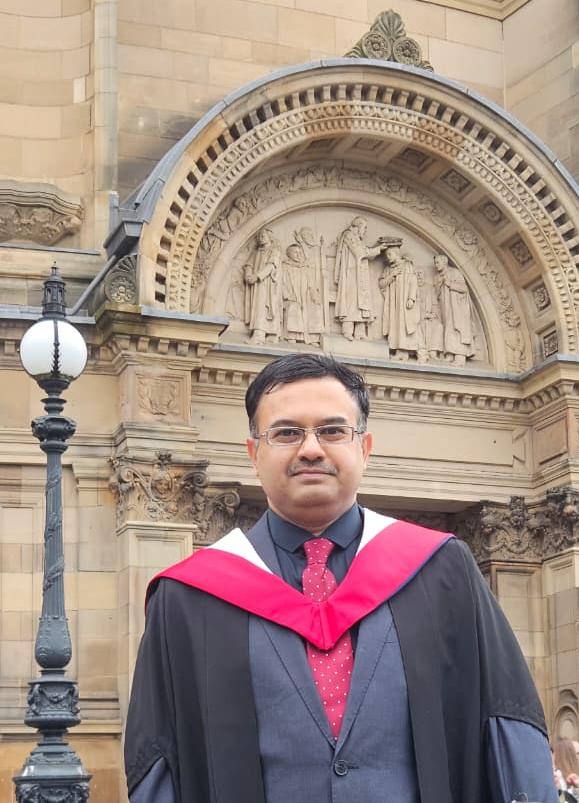
Dr Devanjan Bhattacharya
Research Fellow
Devanjan is a Research Fellow on WARSHARE where he leads a research strand aimed at computational data analytics using AI/ML. His areas of research and teaching being geomatics and geo-spatial technologies, he works towards intelligent geospatial analytics merging remotely sensed data, navigation technologies, informatics and GIS together, which are proving a strong platform to progress towards sustainable smart societies, and he continues his endeavour towards that goal, through research, development and teaching.
He was a Marie Curie Postdoc Fellow on data-driven innovation at Edinburgh University under TRAIN@ED project, where he worked with peace-building processes compiling spatial data collected online, using AI, NLP and geo-visualization.
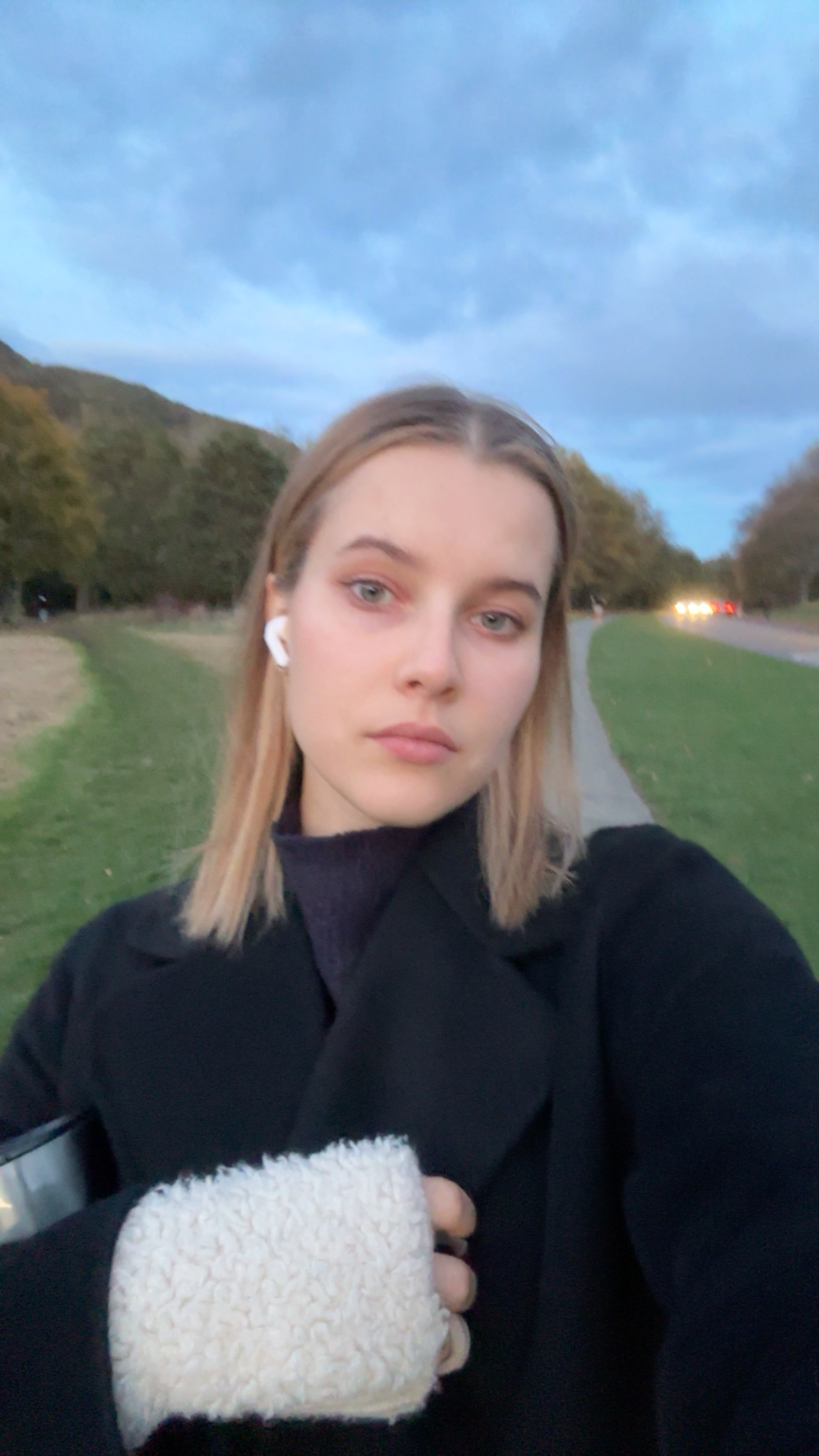
Aleksandra Butkovska
Doctoral Researcher
Aleksandra Butkovska is a PhD researcher examining the role of digital platforms in contemporary conflict. Her research explores how actors engage in participative war through smartphones and Telegram, with a particular focus on motivations, participation, and the strategic use of digital media in conflict environments.
She has an academic background in International Economic Relations from Lviv Polytechnic National University and Future Governance at the University of Edinburgh. Her academic interests include civil society, war and conflict studies, and wartime governance.
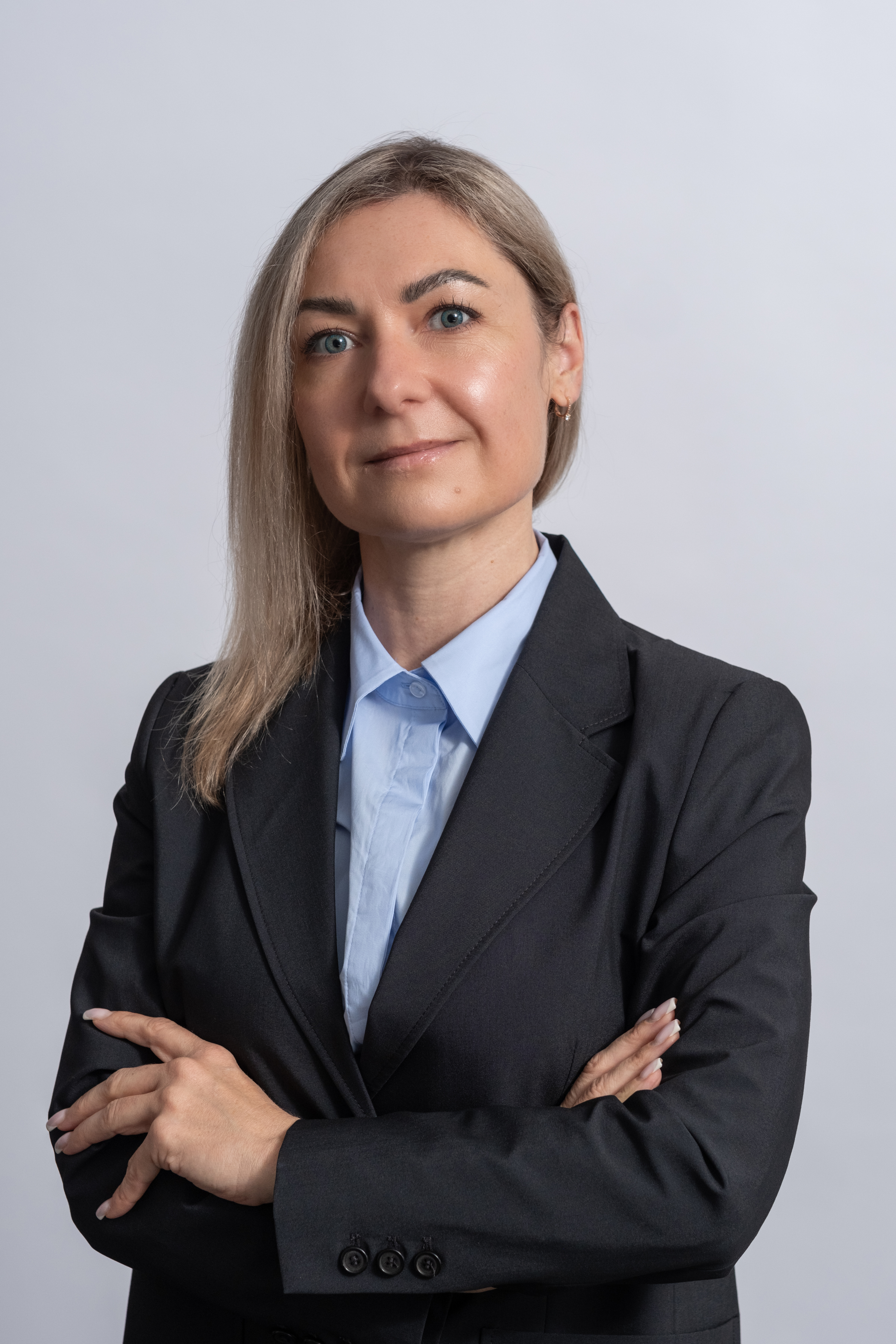
Anastasiya Pshenychnykh
Doctoral Researcher
Before joining Warshare, Anastasiya was an Academic Visitor at Loughborough University (Gerda Henkel Foundation grant), exploring public engagement with contested pasts through the case of Russia-Ukraine Telegram memory wars. She was previously a CARA fellow at Loughborough, where she researched how Russia-Ukraine battles over material heritage are waged online and how Telegram channels mobilise the past to shape conflicting spectacles during the full-scale war.
In Ukraine, she held the position of Associate Professor at V.N. Karazin Kharkiv National University and lectured in Multimodal Analysis. Alongside this role, she contributed to international research projects on digital media, conflict, memory, and politics.
Her earlier work examined Ukrainian news media perspectives on the EU, Russia and national identity in (post-)Euromaidan Ukraine, as well as representations of decommunization struggles in film.
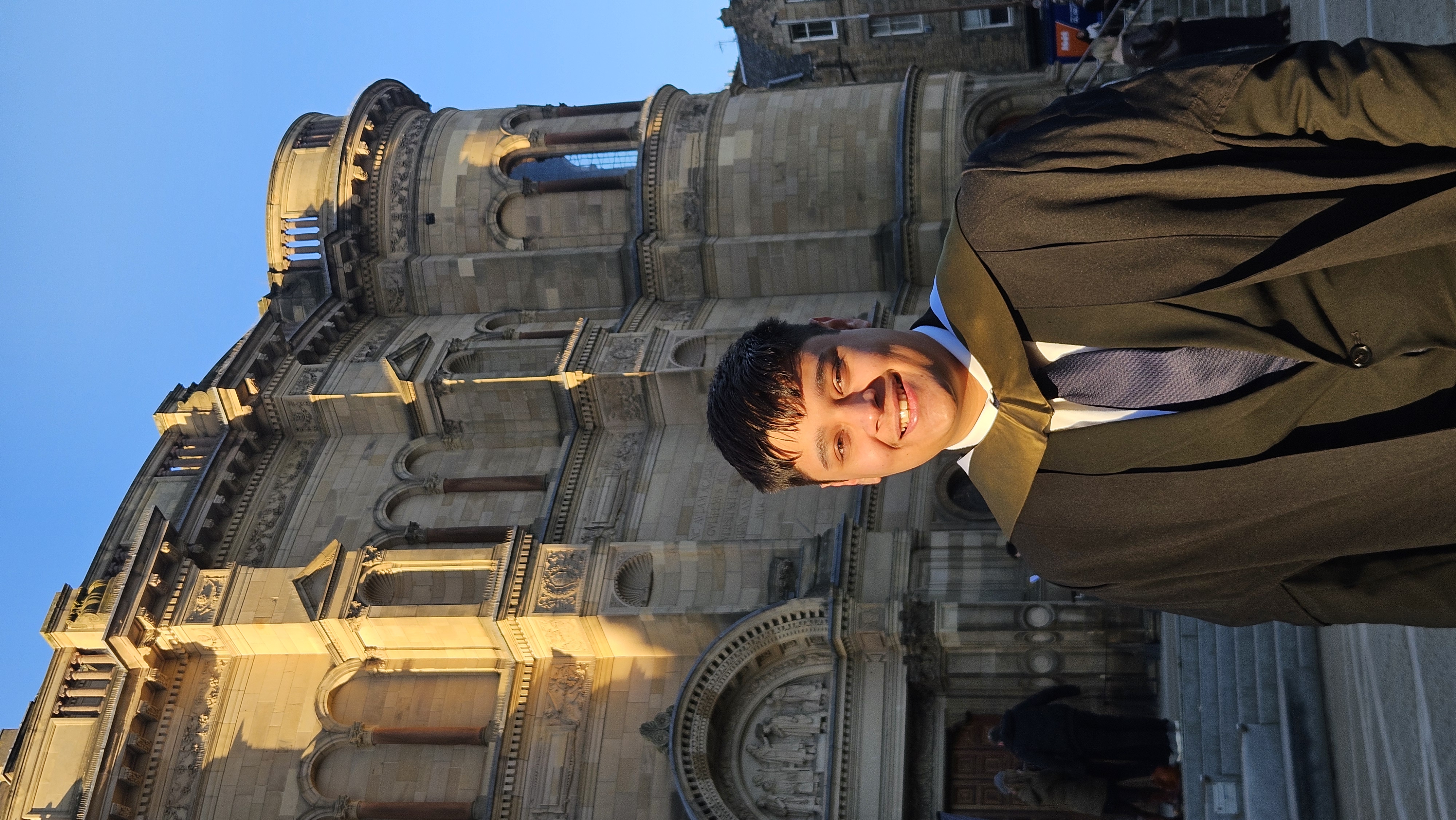
Upamanyu Ghosh
Research Assistant
I'm working on bridging the gap between complex data research and scalable AI production. Having completed my MSc in Data Science at the University of Edinburgh, I focus on the intersection of Large Language Model Operations (LLMOps) and Computer Vision.
My journey spans international research at the National University of Singapore (NUS), pioneering Suicide Attempt and Ideation Detection using BERT-based deep learning classification on the curated text dataset under the NUS School of Computing, and co-authoring a research paper documenting the methodology with NUS faculty. I have also previously worked on research projects on Small Object Detection using transformer architectures, Synthetic Data Generation for solving data imbalance using variational auto encoders, and developed a multimodal approach to aid early-stage drug discovery, in the form of Protein-Ligand Activity Prediction.
Georgi Obatnin
Visiting Research Fellow
Georgi Obatnin is a Visiting Research Fellow on WARSHARE, working on Russian- and Ukrainian-language Telegram. He has worked as an OSINT analyst and has followed the RU/UA Telegram ecosystem since before 2022. He works in Russian, Ukrainian and Arabic and is currently completing a doctorate at Edinburgh on the economic history of the Middle East. His interest is in the language of war: the euphemism, humour and evasion through which violence is described, and what that reveals about the communities forming around it—who belongs, who is excluded, and how those boundaries move.
Partners
Shona Illingworth
Artist Filmmaker
Shona Illingworth is an artist filmmaker whose major works take the form of immersive gallery based multi-screen video and multi-channel sound installation. Her work combines interdisciplinary research (particularly with emerging neuropsychological models of memory and amnesia, critical approaches to memory studies, media sociology and human rights law) with socially engaged practice.
Her work has been exhibited internationally, with shows at the Imperial War Museum, London; Museum of Modern Art, Bologna; FACT (Foundation for Art and Creative Technology), Liverpool; UNSW Galleries, Sydney and the Wellcome Collection, London.
Sasha Kletsov
Filmmaker & Artist
Kletsov is a filmmaker and artist based in Liverpool, UK. Under the artistic name Zurkas Tepla, Kletsov makes experimental electronic music and performs live in a register of tragifarce, mixing text, media, and sound into politically and existentially charged encounters with the audience.
As a filmmaker, Kletsov is a director and producer working across film and hybrid digital formats. His editing of LifeHack (SXSW 2025 premiere, 100% Rotten Tomatoes), which he also produced, earned a BIFA 2025 nomination for Best Editing. LifeHack won the Golden Bee (Best Film) award at the Manchester Film Festival, 2026.
His broader filmography includes premieres at Cannes Directors’ Fortnight, Venice, and IDFA, with dual editor-composer credits across multiple projects. He has also lectured in Sound Studies. Kletsov is also a specialist in journalism.
Mark Neville
Artist, Kyiv
Mark Neville is a British artist who moved to Kyiv two years before the full-blown Russian invasion of Ukraine in 2022. He works at the intersection of art, documentary, and activism, searching out truly ethical roles for photography. His photographic projects have frequently made the places and demographics he portrays as the primary audience and beneficiary of his work in real terms.
He co-runs the charity called Postcode Ukraine (since 2022) combining frontline humanitarian aid deliveries with his documentary art practice.
instagram.com/marknevillestudiomarkneville.comPodcast: Stop Tanks with Books
Gavin Rees
Senior Advisor for Training and Innovation, Global Center for Journalism and Trauma
Previously, he was the longtime director of Dart Centre Europe. Gavin has led workshops and discussion groups on trauma awareness, resilience and interviewing skills for working journalists and journalism students in a range of countries around the world.
Gavin produced business and political news for US, British and Japanese news channels, and has worked on drama and documentary films for the BBC, Channel 4 and independent film companies. He was a leading producer on the BBC film Hiroshima, which won an International Emmy in 2006. He is a visiting fellow in the Media School at Bournemouth University, a board member of the European Society for Traumatic Stress Studies, and was a board member of the UK Psychological Trauma Society for more than ten years.
CASM Technology
Technology Partner
International Advisory Board
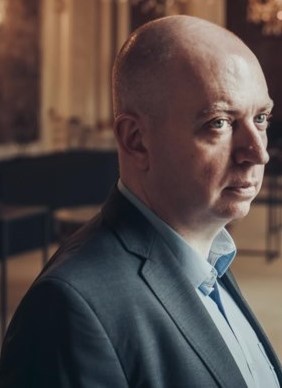
Professor Ben O’Loughlin
Professor of International Relations, Royal Holloway, University of London
Ben O’Loughlin is Professor of International Relations and Director of the New Political Communication Unit at Royal Holloway, University of London. He is co-editor of the journal Media, War & Conflict. He was Specialist Advisor to the UK Parliament Select Committee on Soft Power and Thinker In Residence on 'Disinformation and Democracy' at the Royal Academy in Brussels. With Andrew he is series editor of the book series AI Politics.
Dr. Matthew Ford
Associate Professor, Swedish Defence University, Stockholm
Dr Matthew Ford is an Associate Professor in War Studies at the Swedish Defence University. Matthew's work has ranged from analyses of military innovation to considering the representation and conduct of war on the digital battlefields of the 21st Century.
His third book with C. Hurst & Co, London and Oxford University Press, New York — War in the Smartphone Age — was published in 2026. Matthew earned his PhD from the Department of War Studies at King's College London. He has been a visiting scholar at the Naval Postgraduate School in Monterey and a West Point faculty member.
Currently he is an Associate Editor of the European Journal of International Security and a series editor for C. Hurst & Co, London. Matthew is an Associate of the Imperial War Museum Institute in London, an Honorary Historical Consultant to the Royal Armouries in Leeds, a Fellow of the Royal Historical Society, and a senior non-resident fellow at the University of South Florida.
Prior to academia, Matthew worked for the consulting divisions of PwC and IBM and was a strategic analyst at the UK Ministry of Defence.
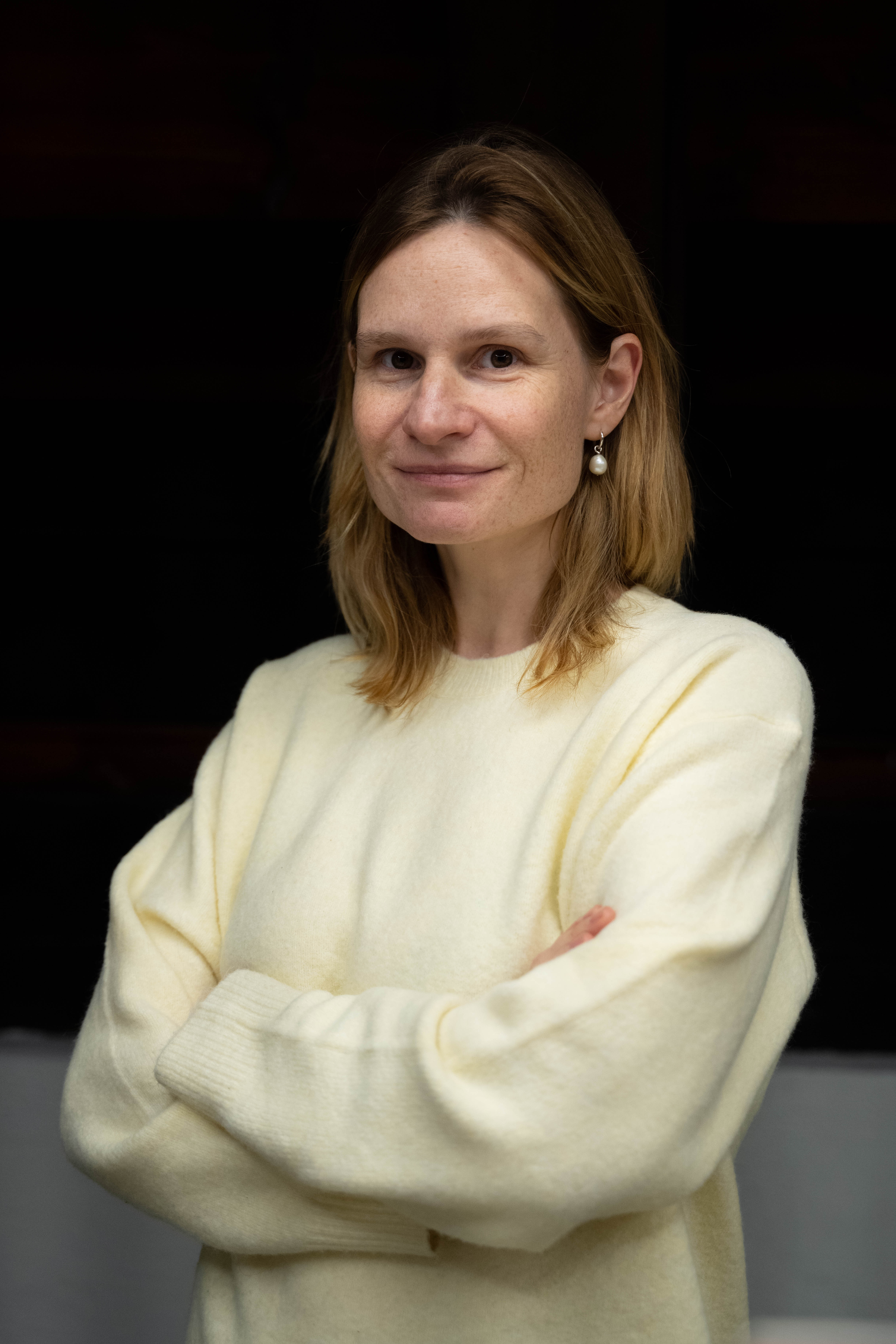
Dr. Lesia Kulchynska
Curator & Associated Researcher, Institute of Network Cultures, Amsterdam
Dr. Lesia Kulchynska is a curator and researcher in media and visual studies, currently based in Amsterdam. She holds a PhD in Film Studies and has worked as a researcher at the Pinchuk Art Center and as a curator at the Visual Culture Research Center and Kyiv Biennial in Kyiv. She taught courses on Media and Communication Studies at the National University of Kyiv-Mohyla Academy, Kyiv Academy of Media Arts, and John Cabot University (Rome).
Dr. William Merrin
Associate Professor of Media Studies, Swansea University
Dr. William Merrin is the author of: Digital War (Polity, 2018), Media Studies 2.0 (Routledge, 2014), and Baudrillard and the Media (Polity, 2005), co-author of Sharded Media: Trump’s Rage Against the Mainstream (Palgrave, 2025) and co-editor of Trump’s Media War (2019) and Jean Baudrillard: Fatal Theories (Routledge, 2009).
Professor Mette Mortensen
Professor of Media Studies, University of Copenhagen
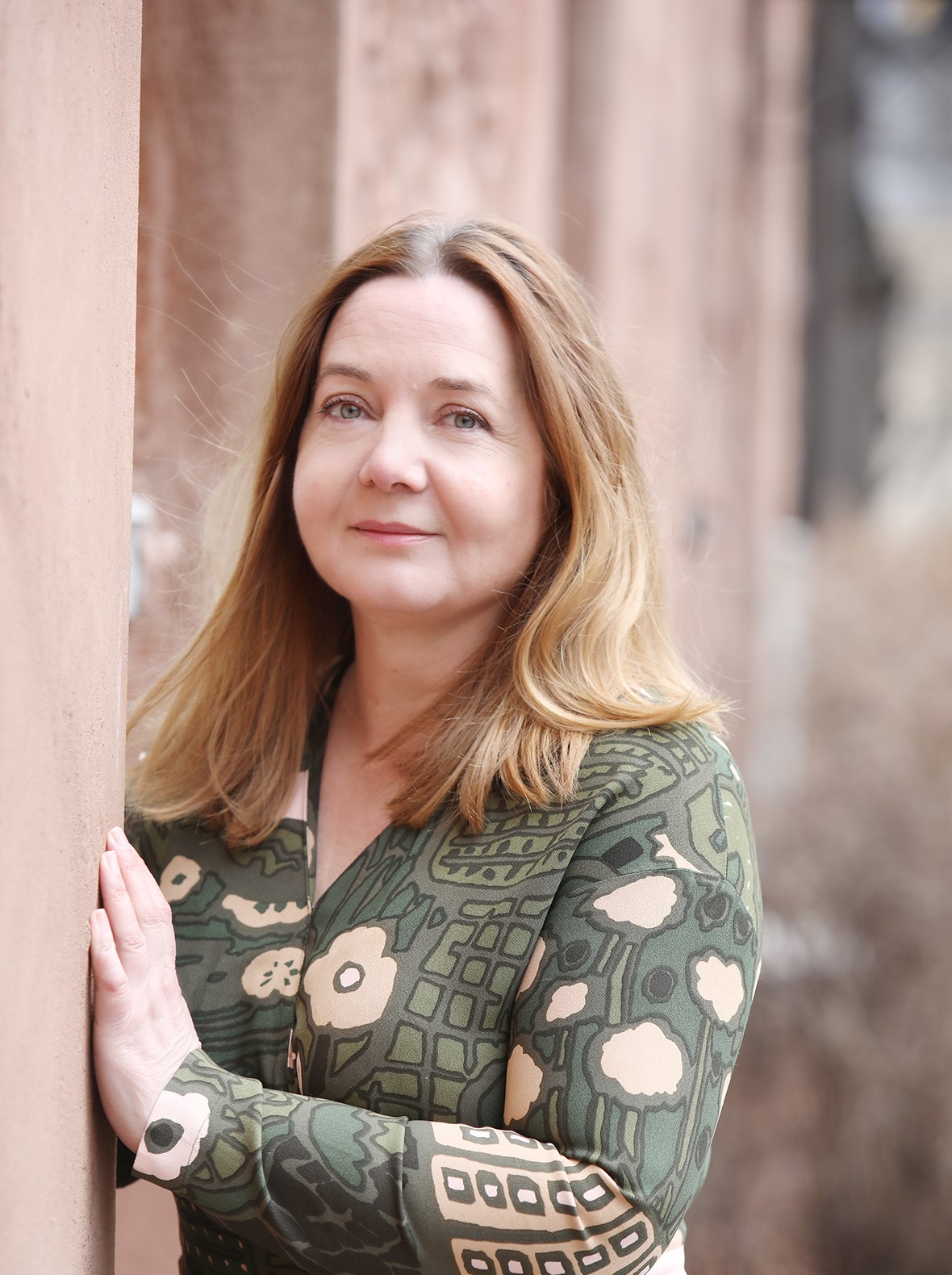
Professor Mervi Pantti
Professor of Media and Communication Studies, University of Helsinki
Mervi Pantti is Professor of Media and Communication Studies at the University of Helsinki and director of the multidisciplinary research consortium The Democratic Epistemic Capacities in the Age of Algorithms (DECA), funded by the Strategic Research Council within the Research Council of Finland. She is also Principal Investigator of the research project Journalism and New Security Challenges: Securitization of the Eastern Border, funded by the Helsingin Sanomat Foundation.
Her research focuses on the relationship between media and crises, with recent work examining the framing of border securitization in news media, global platform companies' discourses on climate change, and their moderation of content related to armed conflicts. Her recent publications include the edited volumes The Media and War in Ukraine (Peter Lang, 2023, with Mette Mortensen) and Platforms and the Planet: Big Tech, Digital Platforms and Environmental Responsibility (Emerald Publishing, 2026, with Salla Laaksonen and Olga Dovbysh).